
Every operation in a New York City hospital depends on a team most patients never see. Sterile processing technicians take every used instrument, clean it, check it, package it and sterilize it, then send it back ready for the next patient. Here is what a typical shift looks like.
Start of shift: the huddle
The day usually starts with a short team huddle. The lead tech or supervisor goes over the surgery schedule, any urgent trays, equipment problems and who works in which area. In a busy hospital the department runs around the clock, so you may start in the morning, evening or overnight.
Decontamination: where it all begins
Used instruments arrive from the operating rooms in closed carts. In decontamination you wear full protective gear: gown, gloves, face shield and shoe covers. You:
- sort instruments and take apart the ones that come apart;
- clean them by hand with brushes and detergents, following each manufacturer’s instructions;
- load washers and ultrasonic cleaners, and check that each cycle worked.
This is the dirtiest part of the job and one of the most important. An instrument that is not clean cannot be sterilized.
Prep and pack: building the trays
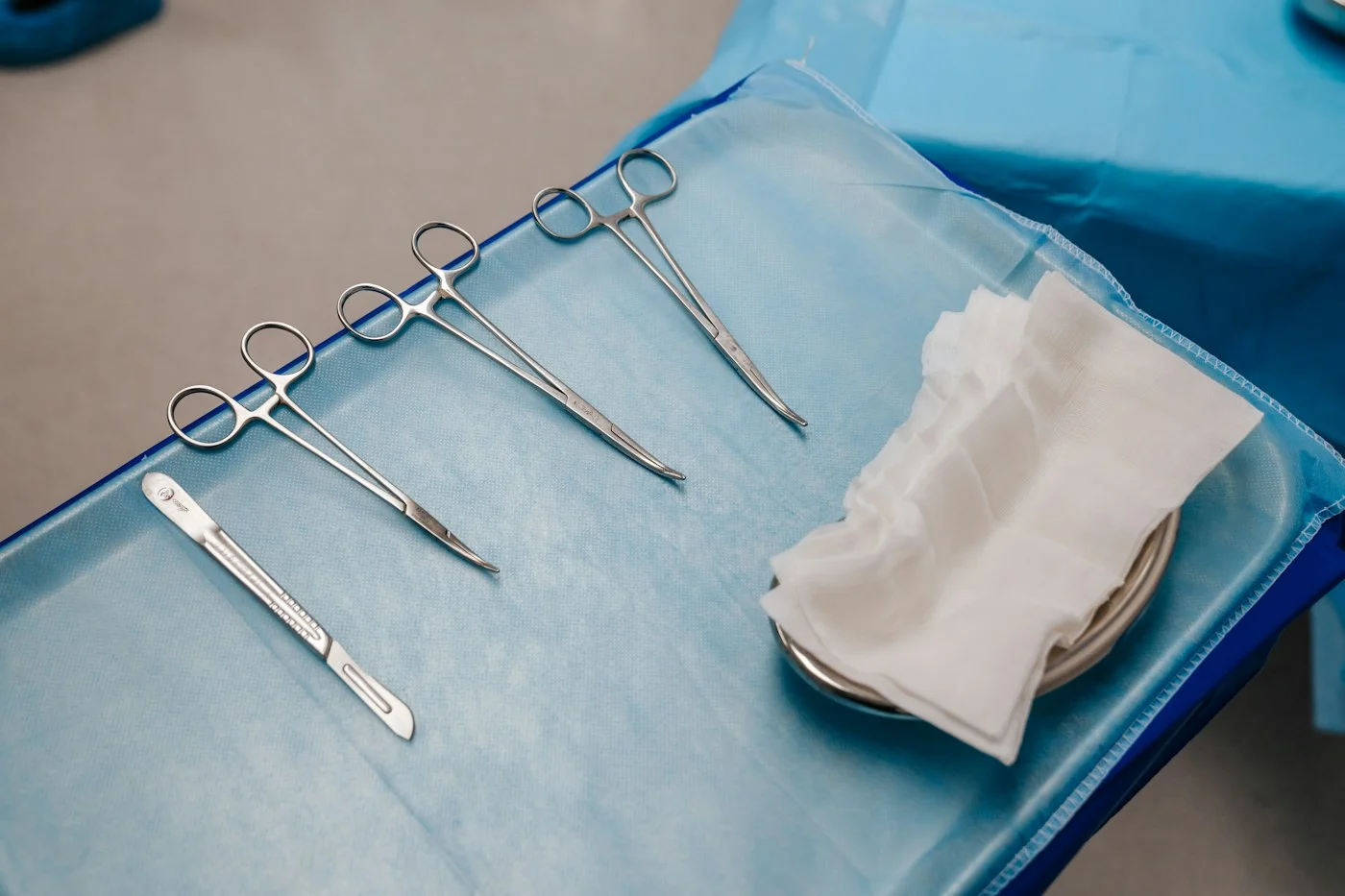
Clean instruments go to the prep and pack area. Here you inspect each one under light and magnification for rust, cracks and leftover debris, test that it works, and assemble it into a tray using a count sheet. A large orthopedic or heart tray can hold dozens of instruments, and every one must be right. Then you wrap or containerize the tray and label it.
Sterilization
You load trays into steam sterilizers or low-temperature sterilizers, depending on what the instruments can handle. You run daily quality tests, check the printouts and indicators for each load, and record everything. If a test fails, the load is held and you follow the recall process.
Sterile storage and the OR
Sterile trays are stored in a clean, controlled area and picked for each surgery on the schedule. When the OR calls for an urgent instrument, sterile processing is where the answer comes from, so teamwork and clear communication with the surgical team matter.
What makes someone good at this job
- Attention to detail. One missing or dirty instrument can delay a surgery.
- Following procedures exactly, every time.
- Staying calm when the schedule changes or a case runs long.
- Teamwork, because trays move through many hands.
Read more in 5 skills every sterile processing technician needs.
How to start
In New York you need a certification such as the CRCST to work in hospital sterile processing. See how to become a sterile processing technician in New York and what the job pays in NYC.
See CRCST class dates Apply now
Frequently asked questions
Is sterile processing hard work?
It is physical. You stand for much of the shift, lift trays and wear protective gear in decontamination. It is also very structured, with clear steps for every task.
Do sterile processing techs work with patients?
Usually not directly. Your work protects patients behind the scenes.
What shifts are there?
Many hospital departments run days, evenings and nights, including weekends.